




Cookies help us deliver our services. By using our services, you agree to our use of cookies.

- Special Offers
- Outdoor Living
- Lawn & Gardening
- Paint & Decorating
-
Bathroom & Flooring
- Flooring
- Bathroom Furniture & Mirrors
- Shower Units, Pumps & Boilers
- Shower Heads & Fittings
- Toilets and Sanitary Ware
- Sinks and Vanity Units
- Bathroom Heaters and Radiators
- Toilet Seats
- Taps, Mixers & Waste Plug Units
- Bathroom Utensils
- Valves & Fit Out Accessories
- Grosfillex Wall and Ceiling Panelling
- DIY & Building
-
-

- Desk Fans and Coolers
- General Hardware
- Household Cleaning & Clothing Appliances
- Houshold Furniture
- Rug Doctor - Carpet Shampooing Machine
- Padlocks & Security Fitting
- Kitchen Crockery, Cookware, Glassware and Cutlery
- Protective and scraper Mats
- Fire Safety Alarms
- HomeBot
- Electrical White Goods
- Household Electrical Appliances
- Bathroom Furniture & Mirrors
- Shower Units, Pumps & Boilers
- Toilets and Sanitary Ware
- Bathroom Heaters and Radiators
- Taps, Mixers & Waste Plug Units
- Toilet Seats
- Shower Heads & Fittings
- Sinks and Vanity Units
- Bathroom Utensils
- Valves & Fit Out Accessories
- Flooring
- Grosfillex Wall and Ceiling Panelling
Search
You have no items in your shopping cart.
Prepare Garden Beds for Spring Planting
How to Prepare Garden Beds for Spring Planting

Spring is the ideal time to prepare your garden for new growth. Whether you’re refreshing borders, sowing wildflowers or feeding fruiting plants, the right compost and plant nutrition help give plants the best possible start.
With a few simple steps, you can improve soil quality, support healthy root development and encourage stronger growth throughout the season.
Before you start:
✔ Clear weeds and debris ✔ Work compost into the soil ✔ Feed regularly ✔ Water during dry spells
Project Overview
- Time Required: Approximately 1–2 hours, depending on garden size and planting plans
- Skill Level: Beginner-friendly
- Best Time: Early to mid-spring
- Suitable For: Garden beds, borders, containers and wildflower areas
Why Preparing Garden Beds Matters
After winter, soil can become compacted, tired and low in nutrients. Preparing beds properly helps improve structure, drainage and moisture retention, giving plants a much better start.
Adding fresh compost and feeding at the right time encourages stronger roots, better flowering and healthier growth through spring and summer.
Tools & Products You’ll Need
For best results, we recommend:
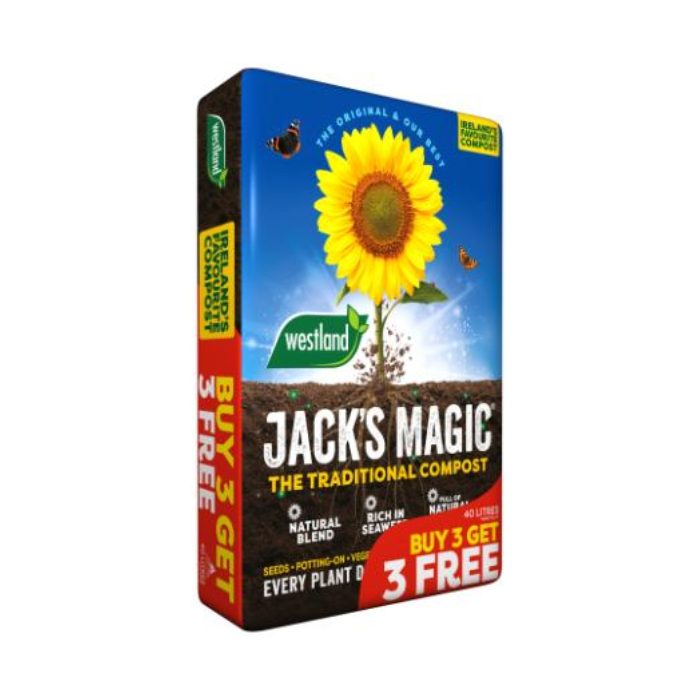
1) Jack’s Magic All Purpose Compost 40L (Buy 3, Get 3 Free)
Best for: General planting, soil improvement and topping up garden beds.
- Improves soil structure
- Supports healthy root growth
- Ideal for beds and borders
Tip: Use Jack’s Magic for general planting and soil improvement.
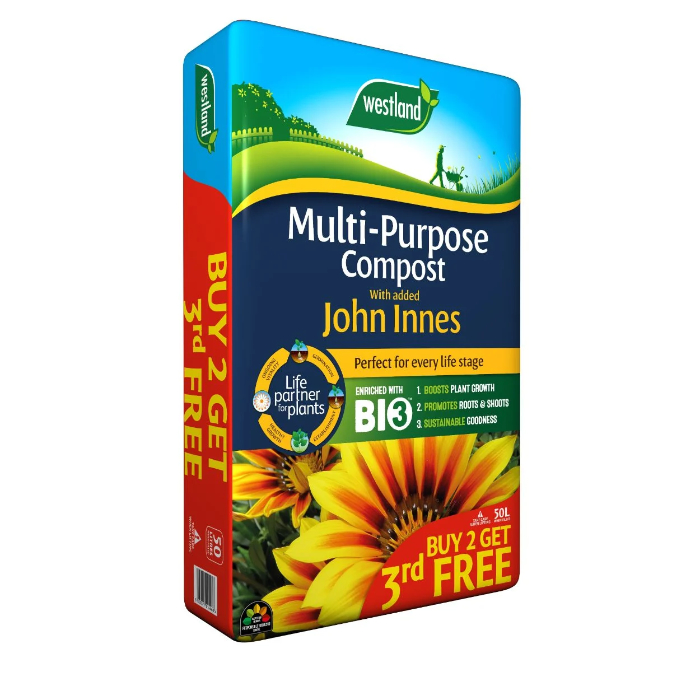
2) Multi-Purpose Compost with John Innes 50L (Buy 2 Get 3rd Free)
Best for: Plants that need extra structure and nutrient support.
- Great for bedding plants, shrubs and containers
- Helps support steady root development
- Useful where plants need extra support
Tip: Choose Multi-Purpose Compost with John Innes for containers, bedding plants and shrubs.
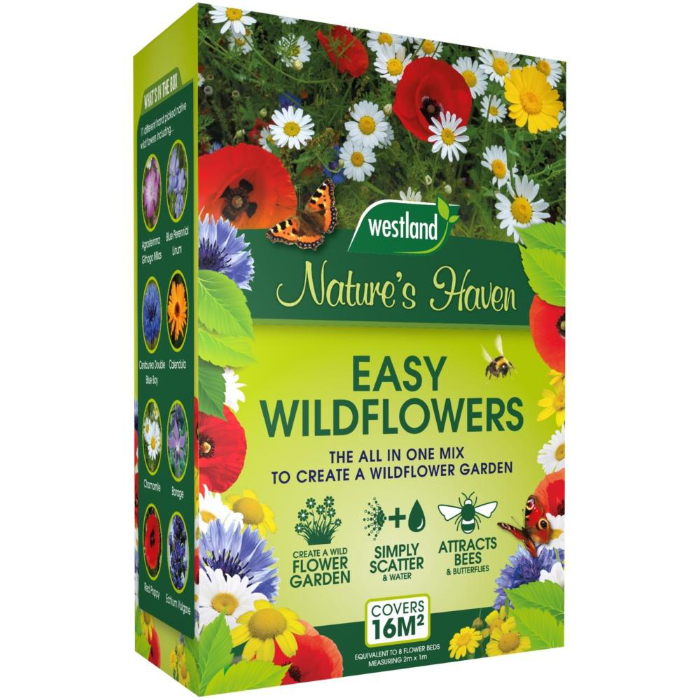
3) Nature’s Haven Easy Wildflower Mix 4kg
Best for: Creating colourful wildflower areas that support bees and pollinators.
- Easy to sow
- Adds seasonal colour
- Helps attract pollinators
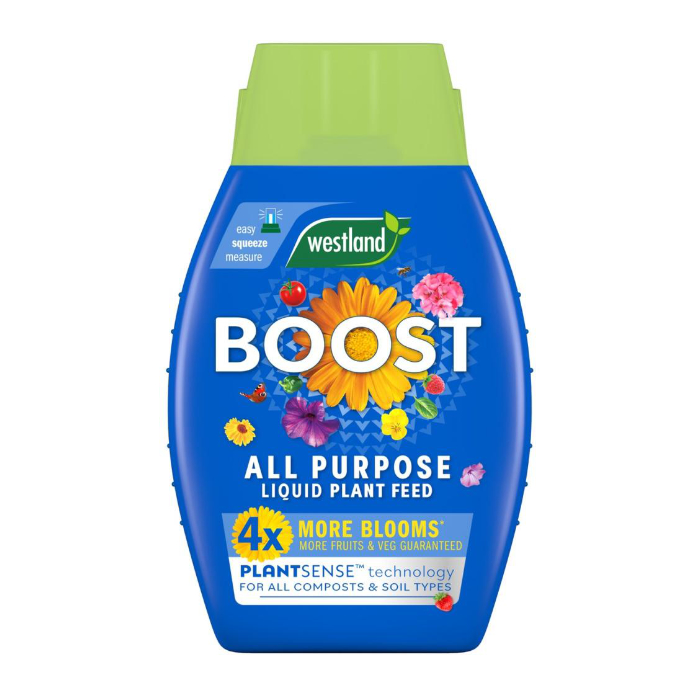
4) Westland Boost All Purpose Liquid Plant Feed
Best for: Supporting flowering, fruit development and stronger plant growth.
- Encourages healthier plants
- Supports flowering and fruiting
- Easy to apply during the season
Step-by-Step Guide
1
Prepare Garden Beds
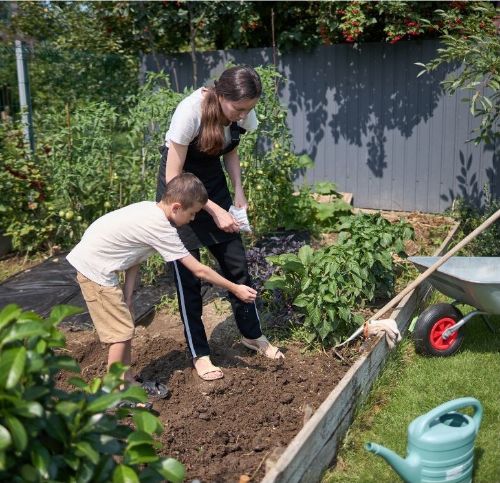
Clear beds of weeds, old plant material and debris. Loosen the soil and work compost into the top layer to improve structure and nutrient content.
Tip: Removing weeds early helps stop them competing with new plants for moisture and nutrients.
2
Choose the Right Compost
Select the compost that best suits the job.
- Use Jack’s Magic All Purpose Compost for general planting, soil improvement and topping up beds
- Use Multi-Purpose Compost with John Innes where plants need extra support, such as bedding plants, shrubs or containers
3
Sow Wildflower Areas
Lightly rake the soil, scatter the wildflower mix evenly, and gently firm the surface. Water lightly to help seeds settle.
Tip: Wildflowers do best in a sunny position with lightly prepared, well-drained soil.
4
Feed Plants
Once plants are established, begin feeding according to the instructions. Regular feeding supports flowering, fruit development and healthier plants.
Tip: Regular feeding supports flowering, fruit development and stronger overall growth.
5
Maintain & Monitor Growth
Water during dry periods and continue feeding fruiting plants regularly throughout the season. Remove weeds to allow plants to thrive.
Tip: Water during dry spells, feed regularly and remove weeds early to keep beds healthy.
Common Mistakes to Avoid
- Planting into compacted soil without improving it first
- Using the wrong compost for the job
- Scattering wildflower seed onto unprepared ground
- Forgetting to feed fruiting and flowering plants once established
- Letting weeds take hold again after planting
Frequently Asked Questions
When is the best time to prepare garden beds?
Early to mid-spring is ideal, once the risk of frost has passed and the soil is workable.
Do I need compost for every bed?
Fresh compost is a great way to improve soil quality and support stronger root development, especially at the start of the season.
Can I sow wildflowers directly into a garden bed?
Yes, as long as the soil is lightly prepared first and the seed is scattered evenly in a suitable sunny area.
How often should I feed plants in spring?
Follow the product instructions, but regular feeding during active growth helps support healthier plants and better flowering.
Ready to Prepare Your Garden Beds?
Shop compost, wildflower mix and plant feed online, or call into Topline Doyles, Carlow for practical advice and seasonal gardening products.
Next up: Dig New Flower Beds and Vegetable Plots (Coming Soon)