




Cookies help us deliver our services. By using our services, you agree to our use of cookies.

- Special Offers
- Outdoor Living
- Lawn & Gardening
- Paint & Decorating
-
Bathroom & Flooring
- Flooring
- Bathroom Furniture & Mirrors
- Shower Units, Pumps & Boilers
- Shower Heads & Fittings
- Toilets and Sanitary Ware
- Sinks and Vanity Units
- Bathroom Heaters and Radiators
- Toilet Seats
- Taps, Mixers & Waste Plug Units
- Bathroom Utensils
- Valves & Fit Out Accessories
- Grosfillex Wall and Ceiling Panelling
- DIY & Building
-
-

- Desk Fans and Coolers
- General Hardware
- Household Cleaning & Clothing Appliances
- Houshold Furniture
- Rug Doctor - Carpet Shampooing Machine
- Padlocks & Security Fitting
- Kitchen Crockery, Cookware, Glassware and Cutlery
- Protective and scraper Mats
- Fire Safety Alarms
- HomeBot
- Electrical White Goods
- Household Electrical Appliances
- Bathroom Furniture & Mirrors
- Shower Units, Pumps & Boilers
- Toilets and Sanitary Ware
- Bathroom Heaters and Radiators
- Taps, Mixers & Waste Plug Units
- Toilet Seats
- Shower Heads & Fittings
- Sinks and Vanity Units
- Bathroom Utensils
- Valves & Fit Out Accessories
- Flooring
- Grosfillex Wall and Ceiling Panelling
Search
You have no items in your shopping cart.
Dig New Flower Bed and Vegetable Plots
How to Dig New Flower Beds and Vegetable Plots – Step-by-Step Guide
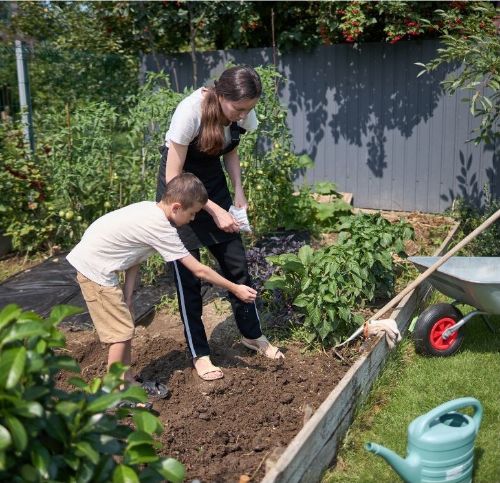
Spring is the perfect time to tackle bigger garden jobs such as digging new flower beds, edging lawns, and planting shrubs, hedging or trees. With the right tools and a simple step-by-step approach, you can prepare the ground properly and give plants the best possible start.
This guide will help you mark out a new bed, dig and improve the soil, edge it neatly, and get it ready for planting.
Before you start:
✔ Mark out the shape first ✔ Work soil when moist, not wet ✔ Remove roots and stones ✔ Add topsoil if needed
Project Overview
- Time Required: Approximately 1–2 hours, depending on the size of the area and soil condition
- Skill Level: Beginner-friendly
- Best Time: Spring or autumn
- Suitable For: New flower beds, vegetable plots, borders, shrubs, hedging and trees
Why Dig New Flower Beds in Spring?
Spring is a great time to reshape your garden and create new planting areas while the soil is workable and plants are entering a fresh growth period. Preparing the ground properly improves drainage, reduces compaction and helps roots establish more easily.
Whether you’re starting a flower border or a vegetable plot, good soil preparation is one of the most important parts of the job. :contentReference[oaicite:1]{index=1}
Tools & Products You’ll Need
For this project, we recommend the following:
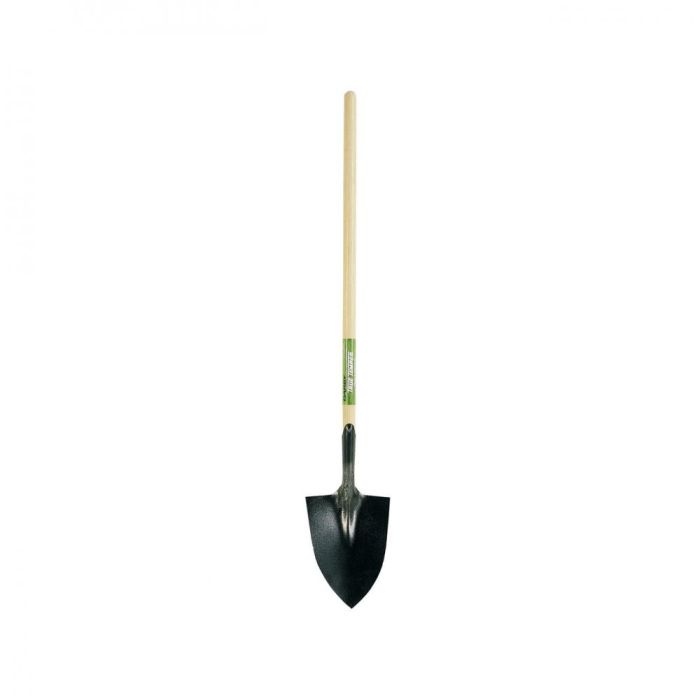
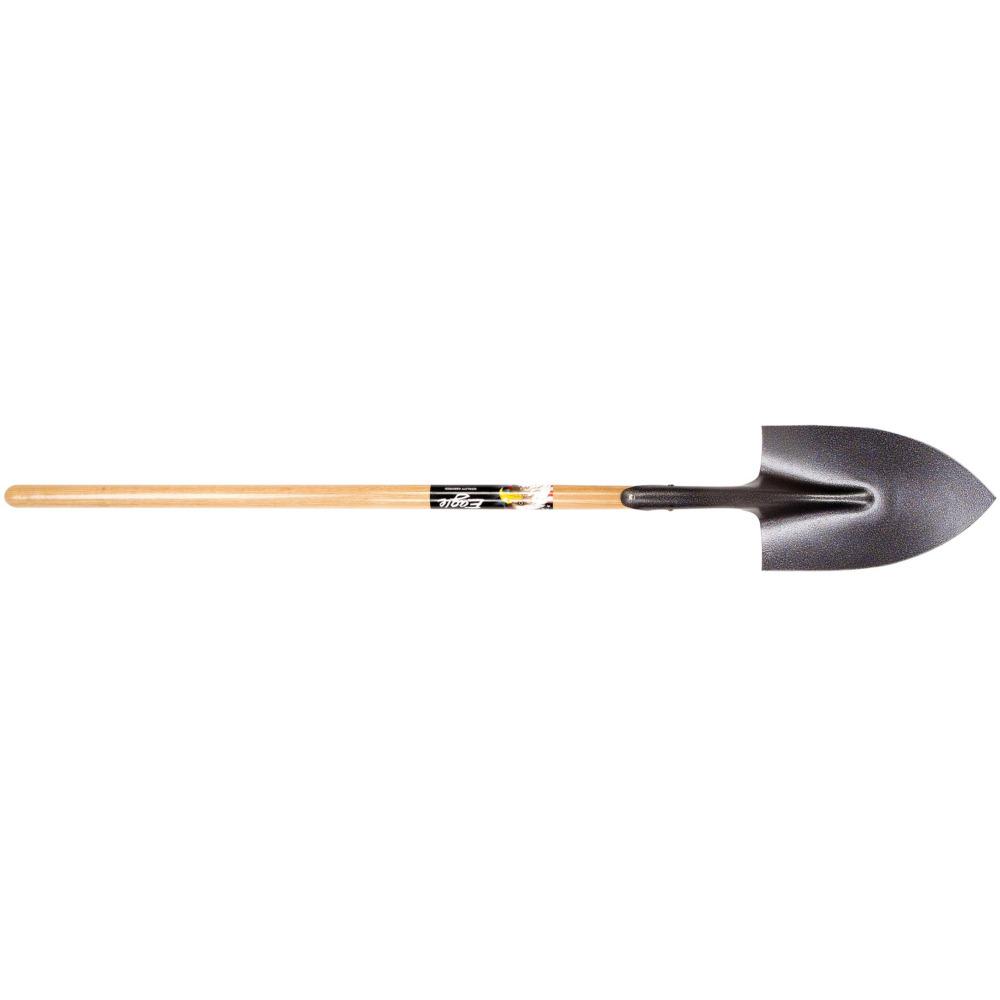
1) True Temper Darby Irish Shovel 48"
Best for: Digging and turning soil when creating new flower beds and vegetable plots.
- Strong blade for breaking ground
- Great for heavier digging work
- Ideal for lifting and turning soil
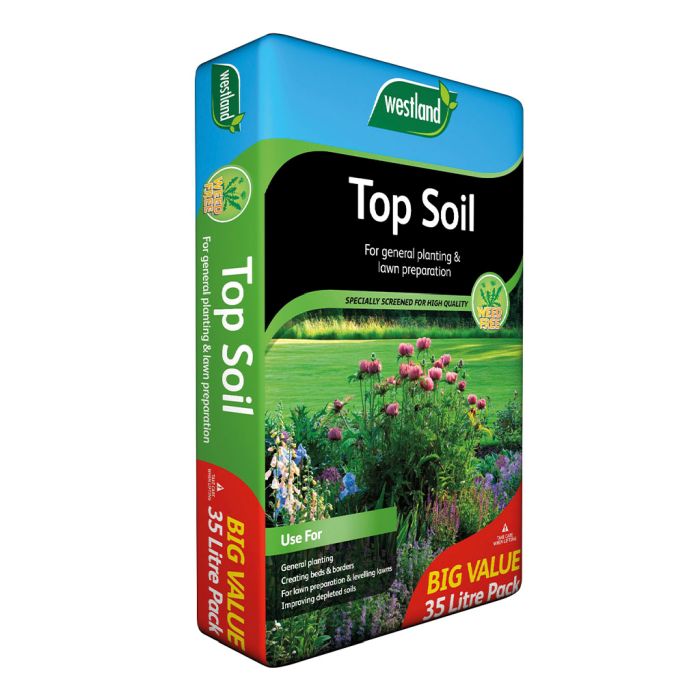
2) 35L Nutrient Rich Top Soil
Best for: Improving soil structure and drainage when preparing new planting areas.
- Helps improve poor or shallow soil
- Supports better drainage and root growth
- Ideal for new beds and vegetable plots
Tip: Add fresh topsoil while digging to improve soil structure and drainage.
3) Basics 48" Irish Shovel
Best for: Edging lawns and creating neat borders around new beds.
- Useful for cutting cleaner edges
- Helps define lawn and border lines
- Great value option for general garden work
Step-by-Step Guide
1
Mark Out the Area
Use a spade, garden hose or line to outline the new bed, border or planting area. This helps ensure clean lines and accurate spacing before you begin digging. :contentReference[oaicite:2]{index=2}
Tip: Marking out the shape first makes it easier to visualise the finished bed before you start.
2
Dig and Turn the Soil
Use the Darby Irish Shovel to dig and turn over the soil, breaking it up and removing stones or roots as needed. If your soil is poor or compacted, mix in fresh topsoil as you go. :contentReference[oaicite:3]{index=3}
- Break up compacted ground
- Remove stones, roots and weeds
- Add topsoil to improve structure where needed
Tip: Always work soil when it is moist but not wet. Digging in the right conditions makes the job easier and helps protect soil structure.
3
Edge Lawns and Borders
For a neat finish, use the Basics 48" Irish Shovel to cut a clean line between the lawn and the new bed. This helps define the space and stops grass spreading into the border. :contentReference[oaicite:4]{index=4}
Tip: Sharp edging keeps borders neat and stops grass spreading into flower beds.
4
Plant Shrubs, Hedging or Trees
Dig planting holes to the correct depth, position plants carefully, and backfill with soil, firming gently around the base. If needed, improve the planting hole with topsoil. :contentReference[oaicite:5]{index=5}
Tip: Water plants well after planting to help roots settle in quickly.
5
Finish and Tidy
Level the soil, remove excess material, and water newly planted areas thoroughly to help roots settle. A tidy finish makes the new bed look better straight away and helps you spot any gaps or uneven areas. :contentReference[oaicite:6]{index=6}
Common Mistakes to Avoid
- Digging when soil is too wet
- Skipping bed marking and ending up with uneven shapes
- Leaving stones and roots in the soil
- Forgetting to edge the border cleanly
- Planting before the soil has been properly loosened and improved
Frequently Asked Questions
When is the best time to dig a new flower bed?
Spring or autumn are usually best, when the soil is workable and not frozen or waterlogged. :contentReference[oaicite:7]{index=7}
Do I need topsoil for a new flower bed?
Not always, but fresh topsoil is helpful if your existing soil is poor, shallow or compacted.
What’s the difference between the two shovels?
The Darby Irish Shovel is better for heavier digging and turning soil, while the Basics Irish Shovel is useful for cleaner edging and lighter general work.
How deep should I dig a new bed?
Deep enough to loosen the soil properly and remove compaction, roots and stones before planting.
Ready to Start Digging?
Shop shovels and topsoil online, or call into Topline Doyles, Carlow for practical advice on starting your next garden project.